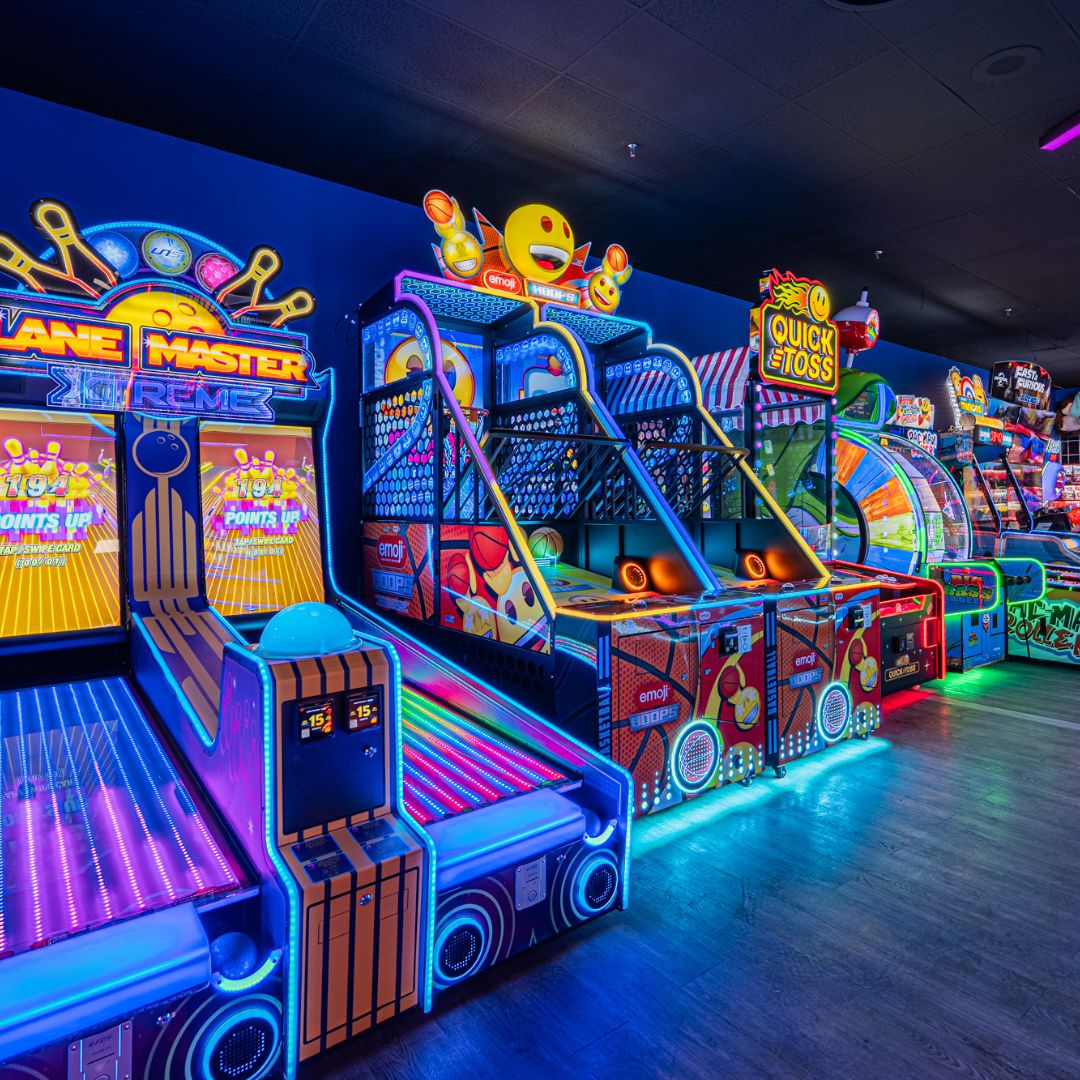
When you step into the world of arcade Ottawa gaming at Crazy Bear Amusement, you’re entering a carefully curated entertainment universe that bridges generations of gaming culture. The facility houses an impressive collection that spans decades of gaming evolution, from the pixel-perfect classics that defined the golden age of arcades to cutting-edge virtual reality experiences that push the boundaries of interactive entertainment. This isn’t just another arcade ottawa families visit once and forget—it’s a destination that keeps drawing visitors back with its thoughtful mix of nostalgic favorites and contemporary gaming technology.
The concept of family entertainment Ottawa venues has evolved significantly over the past decade, with modern facilities recognizing that successful entertainment spaces must cater to diverse age groups, skill levels, and gaming preferences. Crazy Bear’s arcade exemplifies this evolution by refusing to choose between old and new, instead embracing the full spectrum of gaming history. Parents who grew up feeding quarters into Pac-Man and Space Invaders can now share those formative experiences with their children, while simultaneously introducing them to immersive racing simulators and prize redemption games that represent the current state of arcade innovation. This intergenerational appeal transforms a simple afternoon outing into a shared cultural experience where family members of all ages find common ground through play.
What sets this indoor entertainment Ottawa destination apart is its commitment to accessibility and ease of use. Unlike some entertainment venues that require advance booking, complex membership systems, or lengthy instruction sessions, the arcade operates on a straightforward card-based payment model that eliminates friction between families and fun. You simply arrive, load credits onto a card, and start playing—no reservations necessary, no complicated rules to memorize, no pressure to maximize a pre-booked time slot. This walk-in accessibility makes the arcade particularly valuable for those unpredictable moments when Ottawa weather turns unfavorable, when after-school plans suddenly fall through, or when families spontaneously decide they need an entertaining escape from routine.
The strategic positioning of an arcade within a larger entertainment complex creates synergies that benefit visitors looking for comprehensive family entertainment Ottawa experiences. Families can seamlessly transition between different activity zones, allowing each family member to pursue their preferred form of entertainment while remaining in the same venue. Parents might start with the arcade, move to other attractions as energy levels shift, then return to the gaming floor to cap off the visit. This flexibility proves especially valuable for families with children of varying ages and interests, eliminating the common challenge of finding activities that satisfy everyone simultaneously.
The arcade also serves as an excellent solution for Ottawa’s challenging climate realities. While the capital region offers abundant outdoor recreational opportunities during pleasant weather, the long winters and unpredictable spring and fall conditions create genuine demand for quality indoor entertainment Ottawa options. The arcade provides a climate-controlled environment where families can spend hours engaged in active, stimulating play regardless of whether it’s minus thirty degrees outside or pouring rain. This weather independence makes the venue particularly popular during school breaks, professional development days, and those long stretches of winter when cabin fever threatens family harmony.
Beyond serving families, the arcade has become a social hub for young people seeking supervised entertainment that offers both independence and safety. The venue provides an appropriate setting where teenagers and tweens can enjoy autonomy while parents appreciate the secure, monitored environment. This balance addresses a common challenge in youth entertainment—finding spaces that feel age-appropriate and exciting to young people while still meeting parental standards for safety and supervision. The arcade’s diverse game selection ensures that even frequent visitors discover new challenges and experiences, preventing the staleness that can afflict entertainment venues with static offerings.
The Complete Gaming Collection: From Retro Classics to Modern Marvels
The retro arcade games Ottawa enthusiasts cherish form a significant pillar of Crazy Bear’s gaming collection, offering authentic experiences that transport players back to the golden era of arcade culture. These aren’t emulated versions running on modern hardware—they’re genuine cabinets that preserve the original feel, sounds, and gameplay mechanics that defined an entire generation’s relationship with video games. Classic titles featuring maze-chasing characters, space battles, and platforming challenges occupy prominent floor positions, their distinctive cabinet artwork and glowing screens creating visual nostalgia before players even insert their first credit. The haptic feedback of original joysticks and button configurations can’t be replicated through modern controllers, making these machines valuable not just for their gameplay but for the authentic sensory experience they provide.
For parents and older visitors, these retro arcade games Ottawa cabinets serve as time machines to their own childhoods, when arcade visits represented peak entertainment and social currency among peers. The muscle memory developed decades ago often returns surprisingly intact—fingers naturally finding button combinations, eyes anticipating enemy patterns, reflexes responding to audio cues embedded deep in long-term memory. Sharing these games with children creates meaningful intergenerational connections, as parents demonstrate skills honed in youth while explaining the cultural context that made these games revolutionary. Young players gain appreciation for gaming history and the innovation required to create compelling experiences within severe technical constraints—lessons that enhance their understanding of the modern games they take for granted.
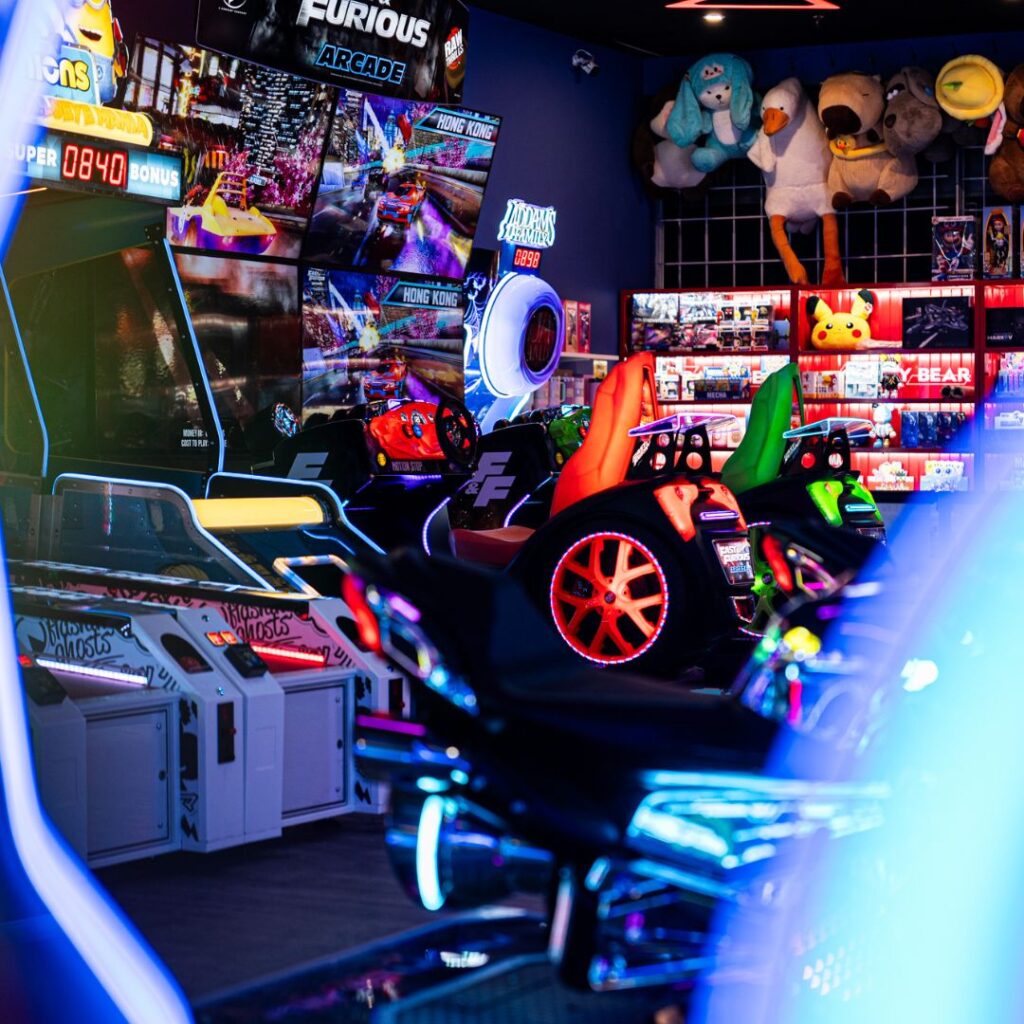
The modern arcade Ottawa segment of the collection demonstrates how far interactive entertainment has evolved, showcasing technologies and gameplay concepts that would have seemed like science fiction during the retro era. Contemporary arcade games leverage massive high-definition displays, surround sound systems, motion controls, and networked multiplayer functionality to create experiences that home gaming systems struggle to replicate. These games often emphasize physicality and spectacle—dance platforms that respond to footwork, basketball machines that track shooting accuracy, collaborative shooting galleries where teams work together against overwhelming odds. The scale and impact of these installations justify leaving home entertainment systems behind, offering experiences that truly benefit from the arcade environment.
Virtual reality experiences represent the cutting edge of the arcade’s modern arcade Ottawa offerings, providing access to expensive VR hardware and curated content that most families can’t justify purchasing for home use. VR arcade stations eliminate the intimidation factor that prevents many people from exploring this technology—staff assist with headset fitting and orientation, selected experiences accommodate various comfort levels, and the supervised environment ensures safety during moments of spatial disorientation. These stations expose visitors to truly transformative gaming experiences, from exploring alien worlds to surviving zombie apocalypses to creating virtual art, all through immersive interfaces that respond to natural movements and gestures. The arcade context makes VR accessible as a try-before-you-buy proposition, allowing families to determine whether this technology appeals to them before making substantial home investments.
The facility’s approach to game selection reflects thoughtful curation rather than random accumulation. New titles rotate in regularly, ensuring frequent visitors discover fresh challenges and preventing the collection from feeling stale. This turnover strategy maintains the excitement of discovery—you never know what new experience might appear during your next visit. Simultaneously, beloved classics remain permanent fixtures, guarantees that returning visitors can reunite with favorite games and continue pursuing high scores or completing challenges left unfinished during previous sessions. This balance between novelty and consistency creates an environment that rewards both occasional visitors seeking variety and regular patrons developing deeper engagement with specific titles.
The physical layout of the gaming floor demonstrates understanding of how people actually move through and experience arcade spaces. High-energy, social games cluster together, creating zones of excitement and friendly competition where crowds naturally gather. More contemplative single-player experiences occupy quieter areas where players can focus without distraction. Sightlines throughout the space allow parents to maintain visual contact with children while those young people enjoy age-appropriate independence. The arrangement facilitates natural discovery—walkways lead past diverse game types, encouraging visitors to try genres they might not actively seek out. This thoughtful spatial design enhances the overall experience, ensuring the arcade functions not just as a collection of individual machines but as a cohesive entertainment environment.
Card-Based Convenience and Walk-In Accessibility for Ottawa Families
The card-based payment system represents a fundamental reimagining of arcade economics, replacing the traditional token or quarter model with a streamlined approach that removes friction from the entertainment experience. Visitors receive a reloadable card that stores credits, eliminating the need to carry pockets full of tokens or constantly exchange bills for quarters. This system addresses a practical frustration that plagued traditional arcades—the moment when you’re deeply engaged in a game only to realize you’ve exhausted your tokens and must interrupt your session to obtain more. The card automatically deducts appropriate amounts as you play different games, allowing seamless transitions between activities without the transaction becoming a distraction. Parents appreciate the system’s transparency, as they can load specific amounts and monitor spending without constantly distributing physical tokens to multiple children.
The reloadable nature of these cards transforms them into ongoing access passes that families carry between visits, building a connection to the venue that extends beyond individual outings. Leftover credits remain stored on cards, creating a built-in incentive to return and use those remaining amounts. Many families treat their arcade cards as keepsakes, tucking them into wallets or glove compartments where they serve as ready reminders that spontaneous entertainment remains available whenever needed. The system also accommodates group visits elegantly—parents can distribute cards to children with preset spending limits, providing age-appropriate financial independence while maintaining overall budget control. This approach teaches valuable lessons about resource management as young people must decide how to allocate their credits across the tempting array of available games.
The walk-in accessibility philosophy addresses a common pain point in modern family entertainment Ottawa venues—the tyranny of advance booking systems. Many contemporary entertainment facilities require reservations days or weeks in advance, transforming spontaneous outings into logistical challenges that demand the same planning intensity as dental appointments. Crazy Bear’s arcade rejects this model, operating on a first-come, first-served basis that honors the spontaneous nature of entertainment. This accessibility proves particularly valuable during unpredictable weather shifts—when Saturday morning sunshine gives way to afternoon thunderstorms, families can pivot to the arcade without scrambling through booking apps or calling reservation lines. The facility’s capacity naturally accommodates walk-in traffic, ensuring reasonable wait times even during busier periods.
For working parents, this no-reservation policy eliminates a significant planning burden. After-school hours can be unpredictable—meetings run late, traffic patterns shift, children’s moods and energy levels fluctuate. The certainty that the arcade remains accessible without advance planning reduces stress and enables responsive parenting rather than rigid adherence to pre-booked schedules. Parents can gauge their children’s needs and interests in real-time, choosing arcade visits when energy levels and enthusiasm align rather than forcing entertainment because a reservation slot must be used. This flexibility proves especially valuable during school breaks when days can feel long and unstructured, allowing parents to insert arcade visits strategically when household energy needs redirection.
The absence of complicated rules or lengthy instruction sessions removes another common barrier to entertainment access. Some activity venues require extensive safety briefings, equipment tutorials, or orientation sessions before participation begins—processes that drain enthusiasm and test children’s patience. The arcade’s intuitive, self-explanatory design allows immediate engagement. Most games include simple on-screen instructions, and staff remain available for assistance without making help-seeking feel like an admission of inadequacy. This low-barrier approach welcomes visitors of all ages and technical comfort levels, from young children experiencing their first video games to seniors who might feel intimidated by complex modern technology. The inclusive design ensures entertainment access doesn’t depend on prior experience or extensive orientation.
The combination of card-based payments and walk-in accessibility creates particular value during Ottawa’s challenging weather seasons. The city’s winters extend from November through March, with unpredictable cold snaps and snowstorms that can derail outdoor plans on short notice. Having a reliable ottawa arcade option that requires no advance booking provides psychological comfort—parents know they possess a backup plan for active, engaging entertainment regardless of what weather throws at them. This reliability reduces the cabin fever and restlessness that plague families during extended winter periods, offering an escape valve when indoor home activities have exhausted their appeal. The arcade becomes part of the family’s weather-adaptive toolkit, a resource deployed strategically when climate conditions demand indoor entertainment alternatives.
The pricing structure associated with the card system maintains transparency while offering flexibility across different budget levels. Families can load modest amounts for brief visits or larger sums for extended sessions, with the system accommodating both approaches equally. Many games clearly display credit costs, allowing players to make informed choices about which experiences fit within their allocated budgets. This transparency empowers children to develop decision-making skills—they must weigh the appeal of different games against their costs, learning to prioritize preferences and manage finite resources. These lessons in budgeting and choice consequences emerge naturally through play rather than through didactic instruction, making the arcade experience educational as well as entertaining.
Making the Most of Your Arcade Visit: Planning Tips and Gaming Strategies
Visiting an ottawa arcade like Crazy Bear Amusement requires a bit of strategic thinking to maximize both enjoyment and value, especially when you’re managing a family outing with different age groups and gaming preferences. The card-based payment system at Crazy Bear Amusement simplifies the experience significantly, eliminating the need to carry around tokens or quarters like in traditional arcades. Parents can load a specific amount onto each card, giving children autonomy while maintaining budget control. Many experienced arcade visitors recommend starting with a moderate card load to gauge which games capture your family’s attention before committing to larger amounts. This approach prevents the common scenario where you’ve loaded too much credit on games that didn’t resonate or too little for the games everyone wants to replay repeatedly.
Timing your visit strategically can dramatically enhance your family entertainment Ottawa experience. Weekday afternoons, particularly the window between 3:00 PM and 5:00 PM, offer the perfect balance of availability and energy. The arcade has cleared from the lunch rush but hasn’t yet filled with the after-dinner crowd, meaning shorter wait times for popular racing simulators and VR stations. This timing works exceptionally well for after-school visits, giving kids a chance to decompress through active play rather than passive screen time at home. Weekend mornings, especially Saturday between 10:00 AM and noon, present another strategic window when the space feels open and welcoming. Families with younger children particularly benefit from these quieter periods, as the reduced noise levels and crowd density make it easier for parents to supervise while children explore different gaming options at their own pace.
Understanding the different game categories helps families allocate their time and credits more effectively throughout their visit. The retro arcade games Ottawa enthusiasts seek—classics like Pac-Man, Space Invaders, and Galaga—typically cost fewer credits per play and offer straightforward, instantly understandable gameplay that bridges generational gaps beautifully. Grandparents who grew up with these games can share strategies and memories while playing alongside grandchildren discovering these icons for the first time. The ticket redemption games require a different approach entirely; they reward repeated play and skill development rather than single attempts. Observing which redemption games have the best ticket-to-credit ratios can help competitive families accumulate prizes more efficiently, though the true value lies in the excitement of watching tickets pour out after a successful round.
For families with teenagers or competitive players, the racing simulators and modern fighting games demand longer sessions to truly appreciate their depth. Rather than bouncing between many games quickly, dedicating 30-45 minutes to mastering one simulator or challenging each other to best-of-five tournaments creates memorable experiences that justify the higher credit costs these premium machines typically require. The VR experiences similarly benefit from focused attention rather than rushed sampling, as players need time to adjust to the immersive technology and fully engage with the virtual environments. Parents should plan for at least 15-20 minutes per person for VR attractions, accounting for equipment setup and the learning curve that comes with this cutting-edge technology.
Rainy day visits to this indoor entertainment Ottawa destination work best when combined with other Crazy Bear Amusement attractions. The arcade pairs naturally with the play structure for younger children or laser tag for older kids, creating a full day of varied activities that prevent any single attraction from feeling repetitive. Many families establish a rotation system, spending an hour in the arcade, breaking for lunch or snacks, then returning for another gaming session after exploring other areas. This rhythm keeps energy levels high and prevents the overstimulation that can occur when children spend too long in the high-sensory environment of a busy arcade. The no-reservation-required policy means you can flow between activities organically rather than being locked into rigid time slots, adapting your schedule based on crowds, energy levels, and evolving interests throughout your visit.
How Ottawa’s Arcade Scene Compares to Modern Entertainment Trends
The evolution of arcade ottawa venues reflects broader shifts in how families seek entertainment and social connection in an increasingly digital age. Where arcades once faced predictions of extinction with the rise of home gaming consoles and mobile devices, they’ve instead carved out a distinctive niche by offering experiences that screen-based home entertainment simply cannot replicate. The social atmosphere, the tactile satisfaction of specialized controllers and equipment, and the immediate feedback of ticket redemption games create a multi-sensory experience that transcends what even the most sophisticated home gaming setup can provide. Crazy Bear’s arcade exemplifies this evolution by blending nostalgic elements that appeal to parents with cutting-edge technology that captures children’s attention, creating a cross-generational appeal that pure retro or purely modern arcades struggle to achieve.
Industry research consistently shows that family entertainment Ottawa venues succeed when they prioritize accessibility and inclusivity across age ranges and skill levels. The elimination of complex rule systems, the introduction of card-based payment that removes the friction of constant coin exchanges, and the curation of games that span difficulty levels all reflect evidence-based design choices. Compared to home gaming, where multiplayer often means competing against distant strangers through headsets, arcade gaming restores the face-to-face social interaction that builds family bonds and creates shared memories. The physical proximity of racing simulators positioned side-by-side or fighting game cabinets that place competitors shoulder-to-shoulder facilitates the friendly trash talk, celebratory high-fives, and immediate emotional responses that online gaming filters through digital mediation. This return to social gaming represents not a step backward but rather a correction to the isolating tendencies of purely digital entertainment.
The resurgence of retro arcade games Ottawa families now enjoy reflects a broader cultural phenomenon marketers call “the nostalgia economy.” Adults who grew up in the 1980s and 1990s arcade golden age now have purchasing power and children of their own, creating demand for venues that honor gaming history while incorporating modern conveniences. However, the appeal of retro games extends beyond mere nostalgia. Their design philosophy—instant playability, clear objectives, gradually increasing difficulty—makes them accessible to newcomers while offering depth for dedicated players. A five-year-old can grasp Pac-Man’s basic concept within seconds, while competitive players spend years perfecting pattern memorization and ghost behavior prediction. This scalability contrasts sharply with many modern games that require extensive tutorials, complex button combinations, and significant time investment before players experience any sense of mastery or enjoyment.
The integration of modern arcade Ottawa technology like VR and advanced simulators positions arcades as showcases for experiences most families cannot justify purchasing for home use. A high-quality VR headset with adequate computing power represents a significant investment, and the spatial requirements for safe VR play often exceed what urban apartments or modest homes can accommodate. Similarly, proper racing simulators with force-feedback wheels, motion platforms, and large displays cost thousands of dollars and occupy substantial floor space. By providing access to this premium equipment through affordable per-play pricing, arcades democratize cutting-edge entertainment technology while eliminating the maintenance, storage, and obsolescence concerns that come with ownership. This access model mirrors broader economic trends toward experience-based consumption rather than possession-based consumption, particularly among younger parents who prioritize activities over accumulating physical goods.
From a child development perspective, indoor entertainment Ottawa arcades offer benefits that purely passive entertainment cannot match. The hand-eye coordination demanded by video games, the strategic thinking required by puzzle games, the social negotiation involved in taking turns and forming teams, and the resilience built through repeated attempts at challenging games all contribute to cognitive and emotional growth. Unlike tablet games designed with manipulative psychological triggers to maximize engagement time and in-app purchases, traditional arcade games operate on transparent economics—you pay per play, with no hidden costs or pressure to make continuous microtransactions. This straightforward exchange teaches children about budgeting and decision-making as they choose how to allocate limited credits across multiple enticing options. The physical environment also encourages movement between games rather than the sedentary screen time that concerns pediatricians and parents alike, making arcade visits a more active form of entertainment than home gaming sessions that can stretch for hours without physical activity.
Your Next Family Adventure Awaits at Ottawa’s Premier Arcade Destination
The enduring appeal of arcade Ottawa experiences like Crazy Bear Amusement demonstrates that despite decades of technological change, the fundamental human desire for play, competition, and shared joy remains constant. Whether you’re introducing your children to the pixelated heroes of your own childhood, challenging teenagers to racing competitions that showcase their reflexes, or simply seeking a reliable destination for those unpredictable Ottawa weather days, a well-equipped arcade delivers consistent value and entertainment. The beauty of Crazy Bear’s no-reservation model means spontaneity—that increasingly rare commodity in our over-scheduled lives—remains possible. When Saturday morning plans fall through, when the forecast turns unexpectedly rainy, or when you simply want to surprise your family with an unplanned adventure, you can simply arrive and play without the advance booking that so many modern attractions require.
The versatility of family entertainment Ottawa arcades extends far beyond casual weekend visits. Birthday parties find natural homes in arcade environments where the entertainment is built-in and age-appropriate for wide ranges, eliminating the awkward moments when some party guests feel too old or too young for planned activities. After-school programs and camp groups regularly choose arcades for supervised outings that give children agency and choice within safe boundaries. Multi-generational gatherings—those increasingly important but often difficult-to-plan events bringing together grandparents, parents, and children—discover common ground at arcade games that transcend age barriers. The grandmother who once played Skee-Ball at carnival midways can teach technique to grandchildren, while those same children can introduce grandparents to VR experiences that seemed like pure science fiction just decades ago. These bridging moments, where technology and tradition intersect through play, create family stories that endure far longer than any individual game session.
For those seeking retro arcade games Ottawa venues celebrate, Crazy Bear’s commitment to maintaining classic cabinets alongside modern equipment reflects an understanding that gaming history deserves preservation and appreciation. These vintage machines represent more than mere nostalgia; they embody design philosophies and artistic visions that influenced everything that followed in gaming culture. Introducing children to Donkey Kong or Frogger isn’t about forcing them to appreciate “the old days” but rather about showing them the innovative foundations upon which their favorite modern games were built. Just as music lovers benefit from understanding blues and jazz roots that influenced rock and hip-hop, young gamers gain perspective on how game designers evolved challenges, controls, and concepts over decades of creative development. The arcade becomes an interactive museum where history remains playable rather than merely observable behind glass displays.
The role of modern arcade Ottawa technology in spaces like Crazy Bear Amusement ensures these venues remain relevant and exciting rather than trading purely on nostalgic appeal. The latest VR systems, the most current racing simulators, and regularly updated video game cabinets signal that arcades aren’t frozen in amber but continue evolving alongside the broader entertainment industry. This commitment to staying current while honoring tradition requires significant ongoing investment from arcade operators, demonstrating their confidence in the format’s continued relevance. For families, this balanced approach means every visit offers something new alongside reliable favorites, preventing the staleness that can set in when entertainment venues rest on past success without reinvestment and innovation. The prize redemption games similarly rotate inventory and introduce new challenges, ensuring that even frequent visitors encounter fresh experiences rather than exhausting all options.
As an indoor entertainment Ottawa staple, Crazy Bear’s arcade addresses the very real challenges Canadian families face during extended winter months and unpredictable spring and fall weather. The ability to simply show up without reservations makes it an invaluable backup plan when outdoor activities become impossible, providing a pressure relief valve for restless children and stressed parents alike. Unlike movie theaters that lock families into specific showtimes and passive viewing, or restaurants where children must remain seated and quiet, arcades accommodate the natural energy levels and attention spans of young people. Children can move freely between activities, following their interests and energy rather than conforming to rigid adult expectations. Parents can participate as much or as little as they choose, playing alongside children or supervising from nearby seating areas while kids explore independently within the safe, enclosed environment. The future of arcade entertainment looks remarkably bright precisely because these venues offer something increasingly rare—unplugged human connection through shared play experiences. As concerns about screen addiction, social media’s mental health impacts, and isolation grow among parents and healthcare professionals, arcades provide a middle ground where technology enhances rather than replaces face-to-face interaction. At Crazy Bear Amusement and venues like Crazy Bear Amusement, you’ll find families laughing together, children negotiating turn-taking without parental intervention, and strangers becoming temporary allies in cooperative games. These micro-moments of social connection, of genuine emotional response unfiltered through digital platforms, represent exactly what many families seek but struggle to find in our increasingly virtual world. Your next visit isn’t just about entertainment—it’s about reclaiming the simple joy of playing together, creating memories that outlast any high score or prize redemption. The arcade awaits, cards ready, games blinking their invitations, and countless moments of family fun just waiting to unfold.